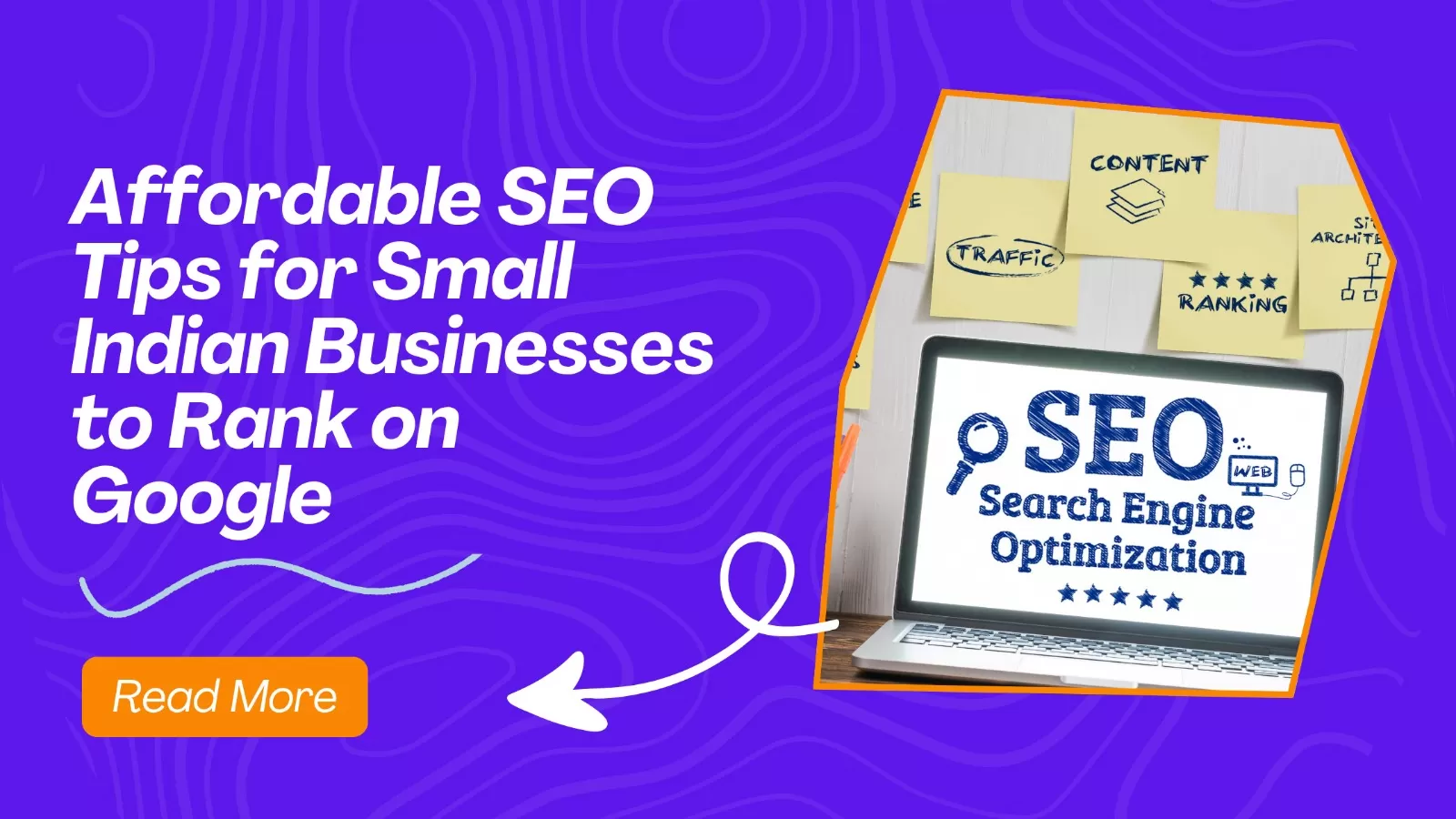




















In this new and exciting digital age, having just a website isn't enough, especially If you run a small business. People should be able to find and use your website, and it should also be search engine optimised. Sounds right, does it not?
That's where designing an SEO-friendly website comes in. If you follow best practices for SEO when designing your website, it can help you rank higher on Google, get more users, and convert them into loyal customers.
Spending money on SEO-friendly design is not a choice for a small business owner like you who wants to grow online; it's kind of required—a very necessary step for a business owner.
1. Why is designing an SEO-friendly Website important?
Search engine optimization (SEO) is more than just terms and backlinks. The way your site is designed is also very important. Search engines like Google look at how easy it is for users to navigate, how fast the site loads, and how well it is structured. No matter how good the content is, a site that isn't well-made will have a hard time showing up in search results.
If you want your small business to compete with bigger names, your website needs to be well-structured from the start. If you build a strong SEO foundation, you make it more likely that local people who are actively looking for useful goods or services will find you.
2. Your website has to be mobile-friendly
More than 60% of all web traffic comes from phones and tablets. When Google decides how to rank your pages, it looks at your mobile site first. This is called "mobile-first indexing."
A website that is good for SEO needs to look good and work well on phones, tablets, and computers, regardless of screen type.
Users will stay on your site longer if it has a responsive design, which is good for search engines and raises your results.
3. Quick load times make both UX and SEO better
Site speed is important for customer experience. When websites take a long time to load, users get annoyed and leave quickly. Google did not recognize slow websites and put them further down in search results, too.
If you want to keep your site working quickly, use compressed files and optimized code. Also, choose a quick and reliable host. You can find and fix speed problems with the help of tools like Google PageSpeed Insights.
4. Users and bots can find their way around easily
The framework of your website should be easy to understand. Visitors can quickly find what they're looking for with clear menus, groups that are easy to understand, and a sensible page hierarchy. It also makes it easier for search engine bots to crawl and index your page.
Breadcrumb navigation, internal links, and sitemap.xml can all help people and Google find their way around your site more easily.
5. When writing and designing, use SEO best practices
Content is king, but it needs to be organized so that both people and search engines can understand it.
Use your goal keywords naturally in your content, in headings, and subheadings.
Your main title should be H1, and your subtopics should be H2 and H3.
Special tips:
Meta descriptions, picture alt tags, and meta titles are all small things that make a big difference. Don't forget to add them.
Also, don't use too many keywords on your site, and use schema markup to improve how it shows up in search results with rich snippets like FAQs, star reviews, and more.
6. Get local SEO right
Local SEO is your best friend if you're a small business that serves a certain area. Make sure that the name, address, and phone number (NAP) of your business are the same on your website and in online listings. Add Google Maps to your site and write content that uses location-based keywords like "best bakery in Pune" or "affordable plumbers in Mumbai."
To get more local attention, add a blog section where you can write about news, events, and material that is specific to the area.
7. Pick the right platform and add-ons
Use site makers like Shopify, WordPress, or Wix that have themes and plugins that are good for SEO. Small business owners can handle their on-page SEO with tools like Yoast SEO, Rank Math, or All-in-One SEO, even if they don't know much about computers.
Make sure that your platform comes with clean URLs, meta tags that can be changed.
What You Should Remember About the Last One
It's important for your SEO-friendly website design. For small businesses seeking growth, it makes you more visible, gives users a better experience, and boosts your reputation. Small business owners can compete with bigger players online and get more customers by focusing on their site's speed, structure, mobile friendliness, and content optimization.
Spend money on the style of your website today, and you'll be glad you did it tomorrow when pe
ople can find you without having to pay for ads.